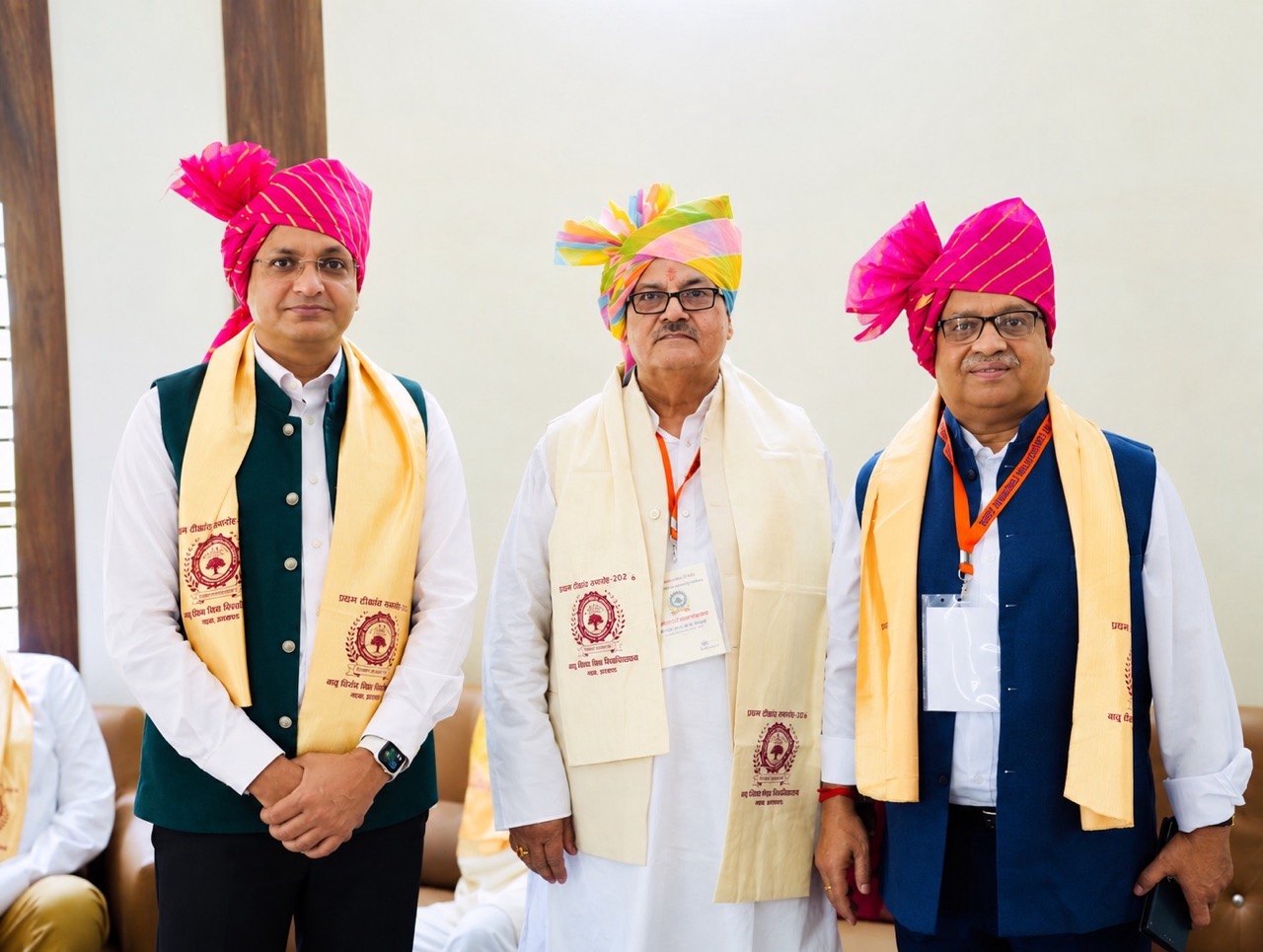
Founder & Managing Director of Sansar Green, Rajeev Singh, participated as an Industry Expert at the First Convocation of Garhwa University, engaging with university leadership, academicians and agricultural experts on strengthening the connection between academic knowledge, farmers and rural entrepreneurship.
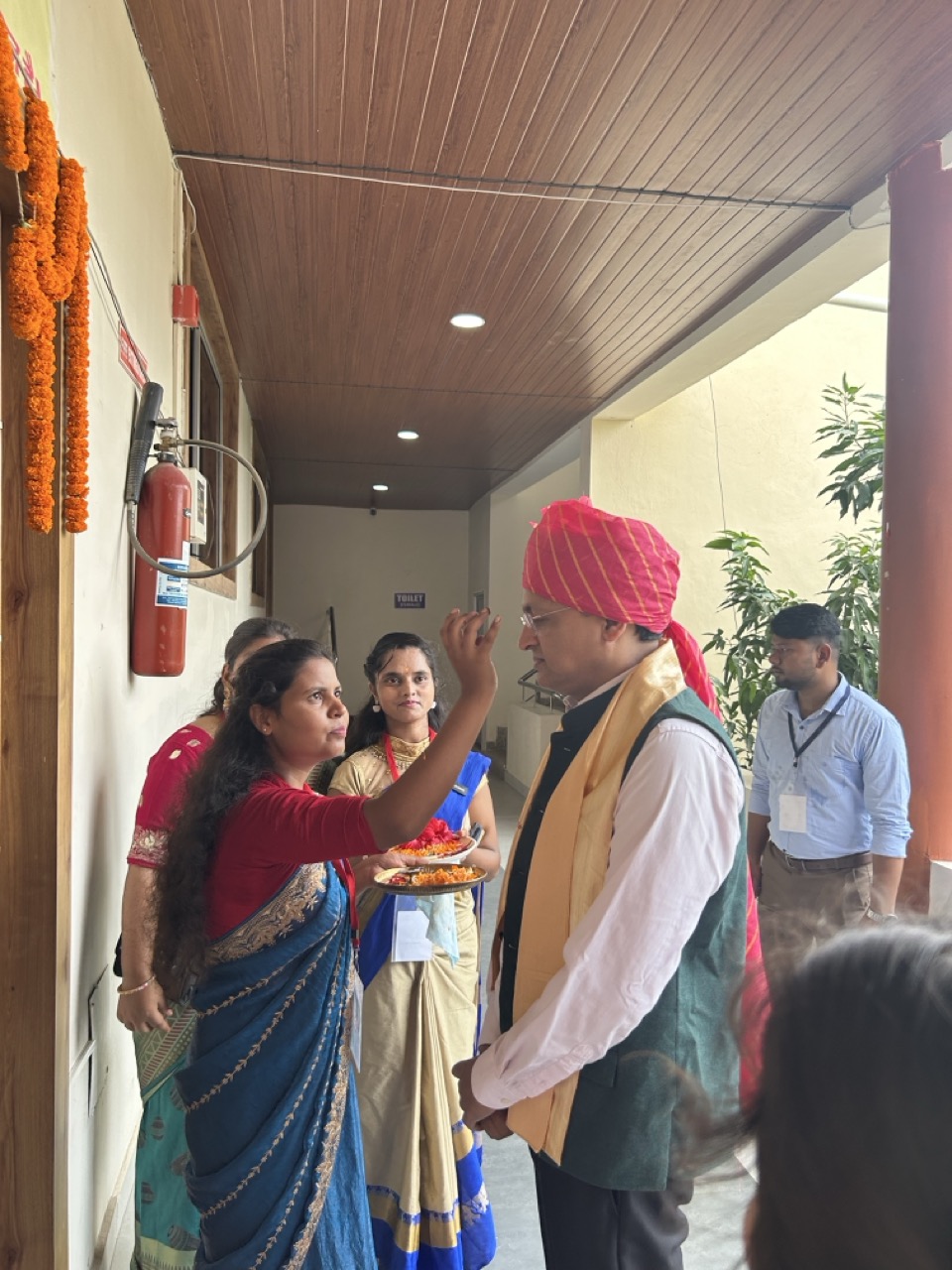
Rajeev Singh, Founder and Managing Director of Sansar Green, participated in the First Convocation of Garhwa University as an invited Industry Expert, marking another step in his continuing engagement with academic institutions, agricultural experts and rural communities.
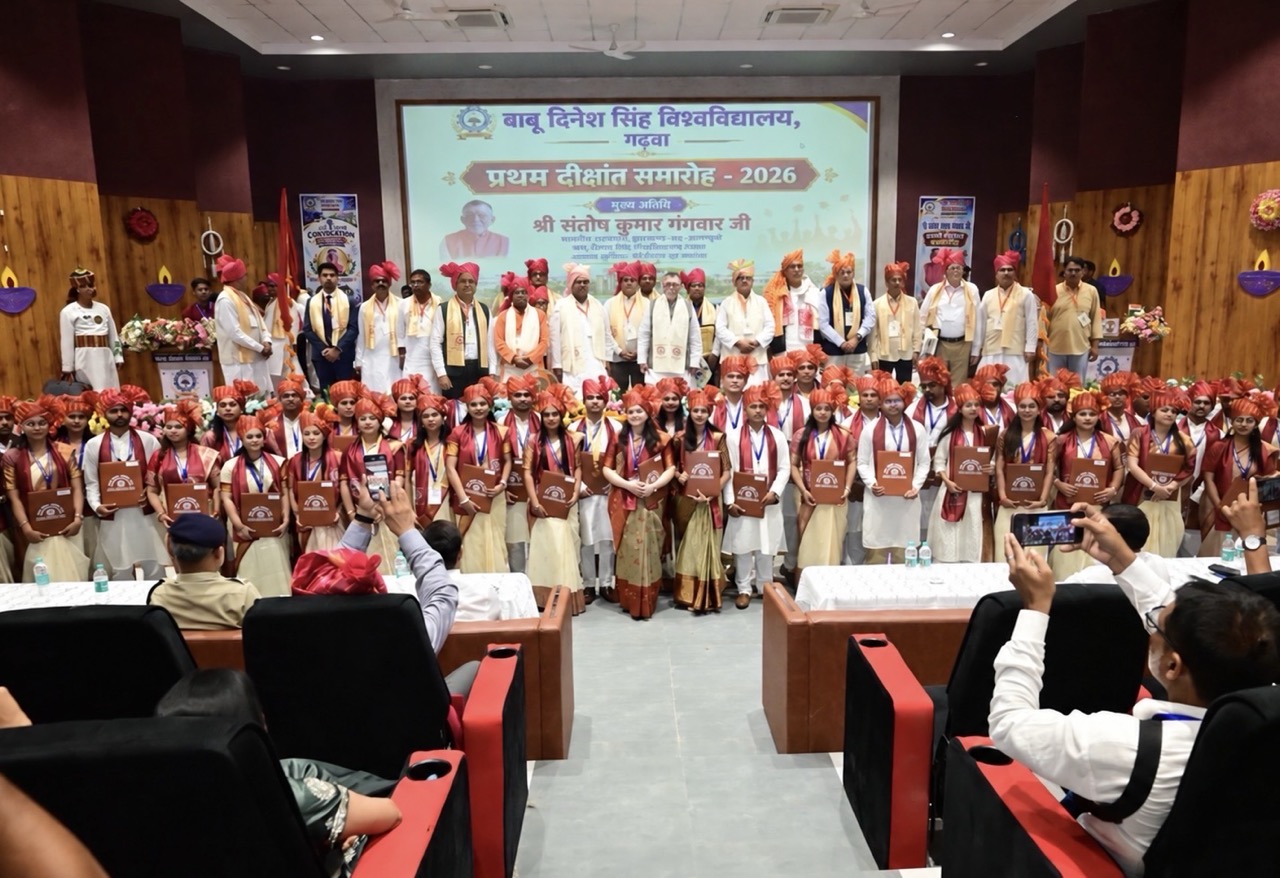
The convocation was attended by Jharkhand Governor Santosh Kumar Gangwar as the Chief Guest, along with Chancellor Dinesh Singh, Vice-Chancellor Dr. M. K. Singh, senior academicians and experts from different fields.
During the programme, Rajeev Singh had the opportunity to share his thoughts from the university platform and interact with members of the academic community.
For him, however, the visit was not limited to participation in a ceremonial event. It became an opportunity to explore how the knowledge and technical capabilities available within universities can be connected more effectively with farmers and agricultural communities.
Taking University Knowledge to the Field
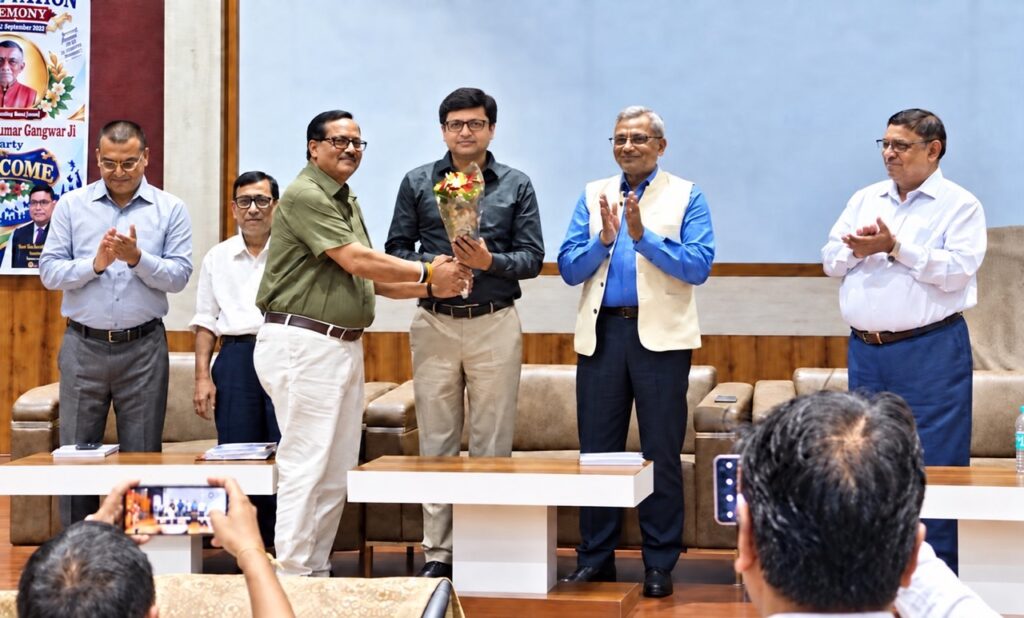
Following the convocation, Rajeev Singh held discussions with academicians and experts associated with the university’s agriculture programme.
A central theme of the interaction was the possibility of connecting agricultural research, scientific expertise and technical knowledge available at the university with farmers in Giridih and other rural areas.
The discussions covered areas such as soil health, crop management, sustainable agriculture, biological and microbial-based agricultural technologies, farmer training, skill development and agricultural entrepreneurship.
The interaction also explored how problems experienced by farmers at the field level could be communicated to agricultural experts and how scientific knowledge could, in turn, be translated into practical solutions suitable for local farming conditions.
Building a Bridge Between Scientists and Farmers
Rajeev Singh believes that agricultural innovation creates its greatest impact when scientific knowledge moves beyond laboratories and classrooms and reaches the farmer.
“The real value of agricultural knowledge and technology developed in universities is realised when it reaches the field and the farmer. Our effort will be to connect farmers of Giridih with agricultural experts, new technologies and training opportunities available through institutions such as Garhwa University.”
The discussions highlighted the potential for regular interaction between farmers and agricultural experts.
Such engagement can create a two-way knowledge system: farmers bring their practical experience, local challenges and understanding of field conditions, while universities contribute scientific research, technology and specialist expertise.
Together, these perspectives can help identify solutions better suited to local agricultural conditions.
Agriculture, Skills and Entrepreneurship
Rajeev Singh’s interaction at Garhwa University also reflected a broader approach to rural development—one in which agriculture is connected with education, skills, technology and entrepreneurship.
Beyond introducing farmers to improved agricultural practices, institutional engagement can expose rural youth and aspiring entrepreneurs to new opportunities in agri-business, sustainable farming, biological inputs, value addition and related enterprises.
For Sansar Green, such academic–industry engagement complements its larger objective of bringing scientific agricultural practices closer to farmers and creating stronger connections among institutions, experts, entrepreneurs and rural communities.
From Institutional Dialogue to Ground-Level Impact
The discussions at Garhwa University considered taking the engagement forward through farmer training, technical interaction and exchange of agricultural knowledge.
The objective is practical: make institutional expertise more accessible to farmers and ensure that information about emerging agricultural technologies reaches the grassroots.
For Rajeev Singh, the visit represented the kind of collaboration that can contribute to a stronger agricultural ecosystem in Jharkhand—where universities generate knowledge, enterprises help translate it into practical applications, and farmers remain at the centre of the process.
His participation as an Industry Expert at the university’s first convocation therefore went beyond representing Giridih at an important academic occasion. It opened a dialogue on how education, scientific expertise, entrepreneurship and field-level experience can work together for the future of agriculture and rural development.
A Shared Vision
The interaction at Garhwa University reinforces a simple but important principle behind Rajeev Singh’s work:
Agricultural innovation should not end with research—it should ultimately improve what happens on the farm.
By strengthening connections between universities, agricultural experts, enterprises and farmers, Rajeev Singh aims to contribute towards a more knowledge-driven, sustainable and opportunity-oriented agricultural ecosystem in Jharkhand.