
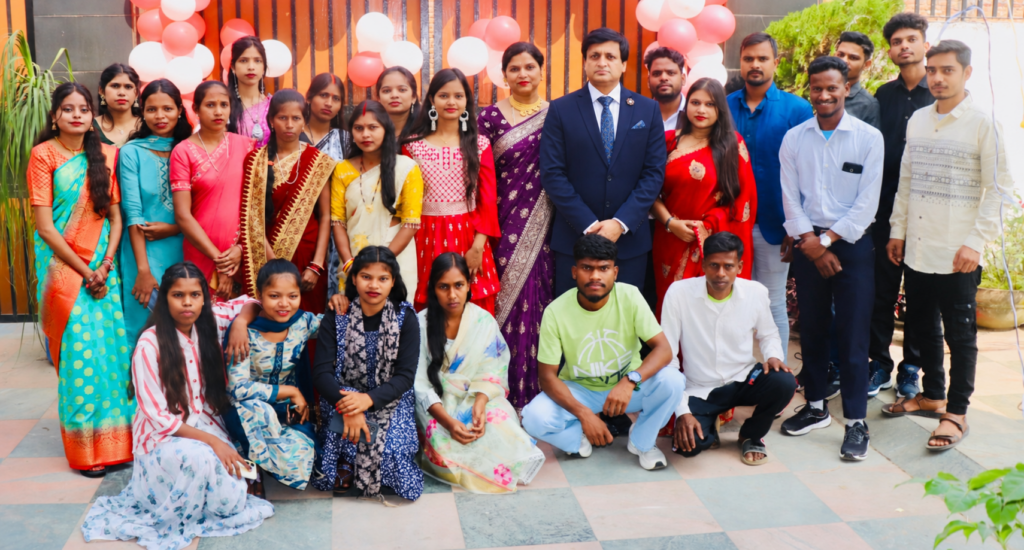
Led by Rajeev Singh, the initiative connects environmental sustainability, traditional Adivasi knowledge and biodiversity conservation
Environmental conservation is most meaningful when it protects not only trees and forests but also the biodiversity, traditional knowledge and community relationships that sustain natural ecosystems.
With this understanding, Sansar Green is supporting the broader vision of the Hodopathy Conservation Campaign, led by its Founder and Managing Director, Rajeev Singh, who serves as President of the campaign.
The initiative aims to preserve Jharkhand’s traditional Adivasi knowledge related to medicinal plants, local vegetation and indigenous healing practices while promoting the conservation of forests and biodiversity.
The first phase of the campaign has been successfully completed, and the second phase is scheduled to begin on 5 December 2026.
Why Traditional Knowledge Matters to Environmental Conservation
For generations, indigenous communities in Jharkhand have maintained knowledge of local plants, herbs, forests and their traditional uses.
This knowledge reflects a close relationship between communities and the natural environment. It includes familiarity with plant identification, seasonal availability, local habitats and customary practices.
Such knowledge is an important part of cultural heritage and can also provide valuable context for biodiversity documentation.
However, changes in natural habitats and lifestyles, together with limited documentation, create challenges for preserving this heritage.
The Hodopathy Conservation Campaign seeks to address these challenges by connecting knowledge preservation with environmental awareness.
Sansar Green’s Approach: Conservation Beyond Plantation
Sansar Green believes that sustainability requires a comprehensive approach to natural resource protection.
Tree plantation is important, but long-term environmental responsibility also includes:
- Protecting native plant species and their natural habitats.
- Promoting awareness about medicinal and locally important plants.
- Conserving biodiversity and forest ecosystems.
- Encouraging community participation in environmental activities.
- Supporting responsible documentation of traditional ecological knowledge.
- Promoting education and research related to conservation.
The Hodopathy initiative reflects this broader understanding by bringing together traditional knowledge preservation and biodiversity conservation.
Key Objectives of the Hodopathy Conservation Campaign
The campaign focuses on several important areas of work.
Medicinal Plant Conservation: Identifying rare and traditional medicinal plants and promoting awareness about their conservation.
Indigenous Knowledge Documentation: Recording traditional Adivasi knowledge through responsible engagement with elders and traditional healers.
Natural Habitat Awareness: Documenting information about local vegetation and the natural habitats associated with important plant species.
Digital Preservation: Digitising rare books and traditional medicinal literature and developing organised digital knowledge resources.
Biodiversity Protection: Encouraging awareness about threatened plant species, native vegetation and ecological conservation.
Research Collaboration: Exploring opportunities to work with universities, researchers and scientific institutions.
Community Rights: Respecting the consent, rights and contributions of indigenous knowledge holders.
Three Websites to Support the Initiative
Three dedicated websites have been launched to provide a digital identity to the Hodopathy Conservation Campaign:
These platforms are intended to support information sharing, campaign updates and the organised presentation of documented knowledge.
They may also help create a foundation for future educational and research-related resources.
Bringing Traditional Knowledge and Modern Science Together
An important objective of the campaign is to encourage responsible scientific study of traditional plant knowledge.
Collaboration with botanical experts, universities and research institutions may help in identifying plant species, reviewing available literature and studying traditional applications.
The campaign recognises that traditional use and scientific validation are different. Questions of safety and effectiveness require appropriate research and evaluation.
This approach can help create a responsible connection between community knowledge and modern scientific methods.
Community Participation Is Essential
The preservation of indigenous knowledge must involve the communities that have maintained it.
Traditional healers, elders and local knowledge holders should have a meaningful role in deciding what information may be documented and how it may be shared.
Their consent, rights and contributions are essential to responsible knowledge preservation.
Young people can also contribute through plant identification, conservation awareness, documentation and educational activities.
Second Phase Scheduled for 5 December 2026
After the successful completion of the first phase, the Hodopathy Conservation Campaign is preparing to begin its second phase on 5 December 2026.
The next phase is expected to strengthen efforts related to documentation, medicinal plant identification, digital knowledge preservation and community engagement.
Sansar Green considers this initiative an important opportunity to connect environmental sustainability with the preservation of indigenous heritage.
A Shared Commitment to Nature and Future Generations
The Hodopathy Conservation Campaign reflects a simple but important principle: protecting nature also means protecting the knowledge and communities that have lived in close relationship with it.
By supporting medicinal plant conservation, biodiversity awareness and responsible documentation, the initiative seeks to contribute to a more sustainable future for Jharkhand.
Our Commitment: Protect Forests. Preserve Medicinal Plants. Respect Indigenous Knowledge. Conserve Biodiversity.
Sansar Green — Nature Conservation, Sustainable Future.